Buying Frozen Pork from Brazil: Build a Shipment-Ready Purchasing Brief
A pork enquiry becomes useful when the supplier, buyer and receiving team can describe the same shipment. “Six cuts”, “carcass” and “trimmings” leave different questions unanswered. This guide helps importers, distributors and food-service procurement teams turn a product shortlist into a cut schedule, packing plan and document brief that can be compared across offers.
1. Choose the buying route before discussing the load
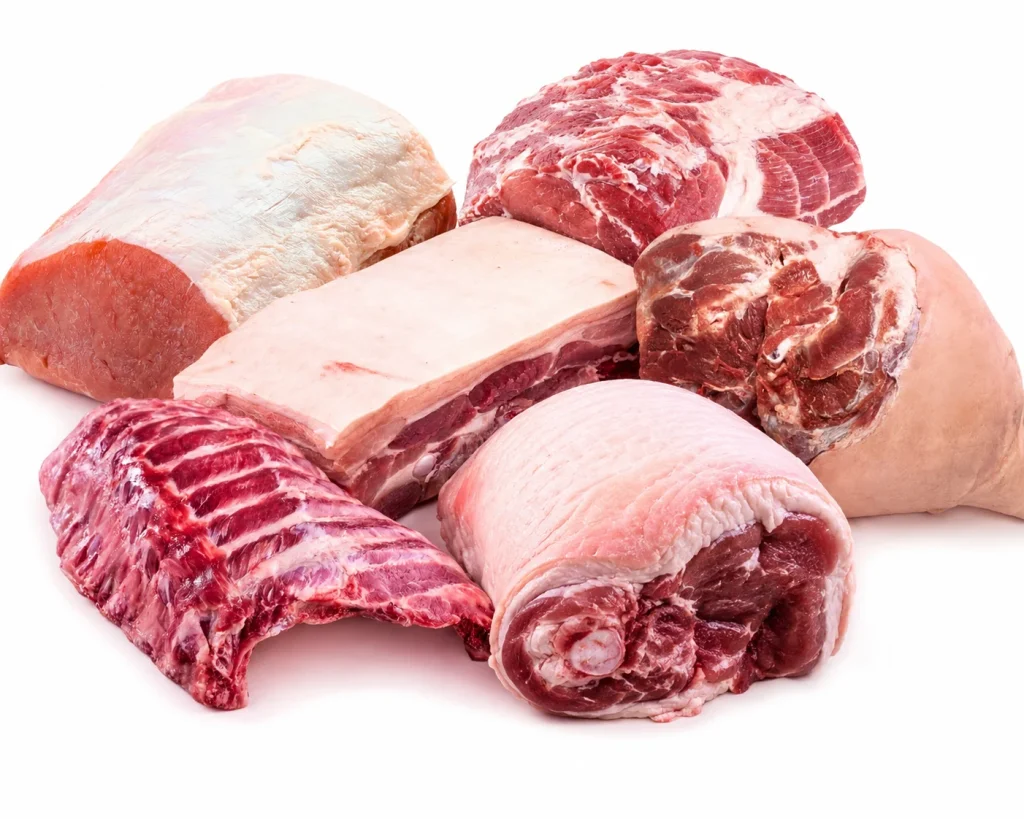
A pork carcass programme suits a buyer planning its own breakdown, but requires a dressing specification, whole or split presentation and acceptable weight bands. For a six-cut assortment, request the actual six named cuts and their proportions. A processor buying pork trimmings instead needs a composition and permitted-material specification. These are separate buying routes; their price per tonne cannot be assessed fairly without the product definition and expected usable yield.
2. Turn the cut names into a signed-off schedule
Commercial names can conceal different bone, skin and trim presentations. The CFIA pork wholesale nomenclature illustrates how a formal description separates carcasses, legs, loins and other presentations. Use an agreed reference or labelled cutting diagram, then specify the deviations your operation requires. A reference standard is a language for the specification, not evidence that a particular supplier or shipment is certified.
For each line in your schedule, record the cut name and diagram reference; bone and skin status; fat, rind and connective-tissue treatment; whole piece or portion dimensions; weight range and tolerance; and any sample-approval requirement. Name acceptable substitutions explicitly. If no substitution is acceptable, state that in the brief rather than relying on a general product photograph.
3. Reconcile the assortment by net weight
Ask for the allocation of each cut in kilograms or as a percentage of the total net product weight. Six named cuts do not automatically mean six equal shares. Check that the allocations add up, then reconcile carton counts against the proposed carton net weights. For variable-weight packs, explain how actual weights will appear on the packing list and which variance is acceptable.
A simple review catches avoidable misunderstandings: does every line in the quotation appear in the cut schedule, packing list and label plan under the same identity? Keep net product weight separate from packaging and pallet weight. Container loading remains subject to the actual equipment, packing dimensions and applicable transport limits; a target tonnage alone does not establish a feasible load.
4. Match the pack to your receiving operation
- Inner presentation: request the wrapping or bag format, pieces per pack where relevant, and whether frozen units must be separable.
- Cartons: confirm net-weight basis, dimensions, labelling language and whether different cuts or lots may share a carton.
- Lot identification: request a sample label and show how carton codes will connect to production records and the packing list.
- Handling: state pallet requirements, unloading facilities and the storage format your operation can accommodate.
For trimmings, add the target lean-to-fat basis, assessment method, sampling plan and permitted tissues. For carcasses, include wrapping and dressing details. Keep these product-specific requirements attached to the relevant schedule line.
5. Check the destination before committing to shipment
The UNECE porcine-meat standard provides options for commercial descriptions, handling, packing and conformity assessment. It leaves importing-country legal and veterinary requirements to the applicable authorities. A common cut description therefore does not establish market access.
Ask which production establishment is proposed and request the evidence needed to assess eligibility for your importing market. Agree the required sanitary documentation, origin and traceability records, label requirements, and any buyer-specific testing or inspection before a shipment commitment. Your importing team should resolve destination requirements against the actual product and establishment, not a broad claim of worldwide supply.
6. Agree the cold-chain and acceptance record
Obtain the offered product’s storage instructions, shelf life and minimum remaining life at arrival. Specify transport-temperature requirements, the records to accompany delivery, and who will review them. At receipt, reconcile seals where relevant, carton integrity, labels, lot codes, weights and product condition with the agreed documents. Define the inspection window, evidence needed for discrepancies and the contractual claims route in advance. Thawing and processing belong within the receiving operation’s approved food-safety procedures.
7. Send one brief your team can work from
Give the purchasing brief a version date and name the people who approve the cut schedule, destination documents and arrival checks. When a packing or allocation changes, circulate the revised schedule to both the commercial and receiving teams and record which version the written offer accepts. This keeps a later email adjustment from leaving the warehouse working to an earlier plan.
Bring together the cut schedule, allocation by net weight, packing plan, sample criteria, volume and purchase frequency, shipment window, destination country and port, preferred trade term and named place, and document requirements. Mark which requirements are essential and which alternatives your team can evaluate. Availability, final specifications, eligibility and commercial terms are confirmed in the individual written offer.
Send your pork purchasing brief or explore the pork collection. Download the fillable data sheet from the relevant product page to keep your team’s product requirements with the enquiry.