
Supply portfolio / Frozen protein
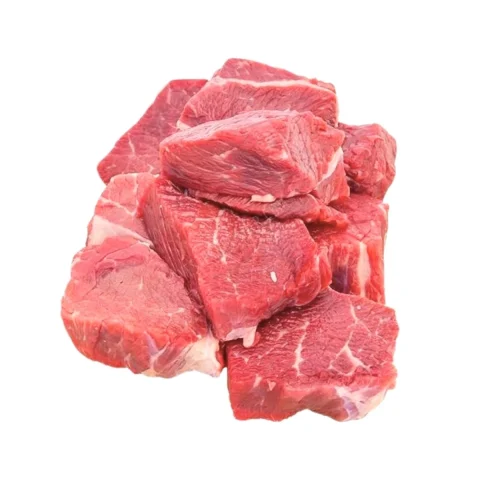
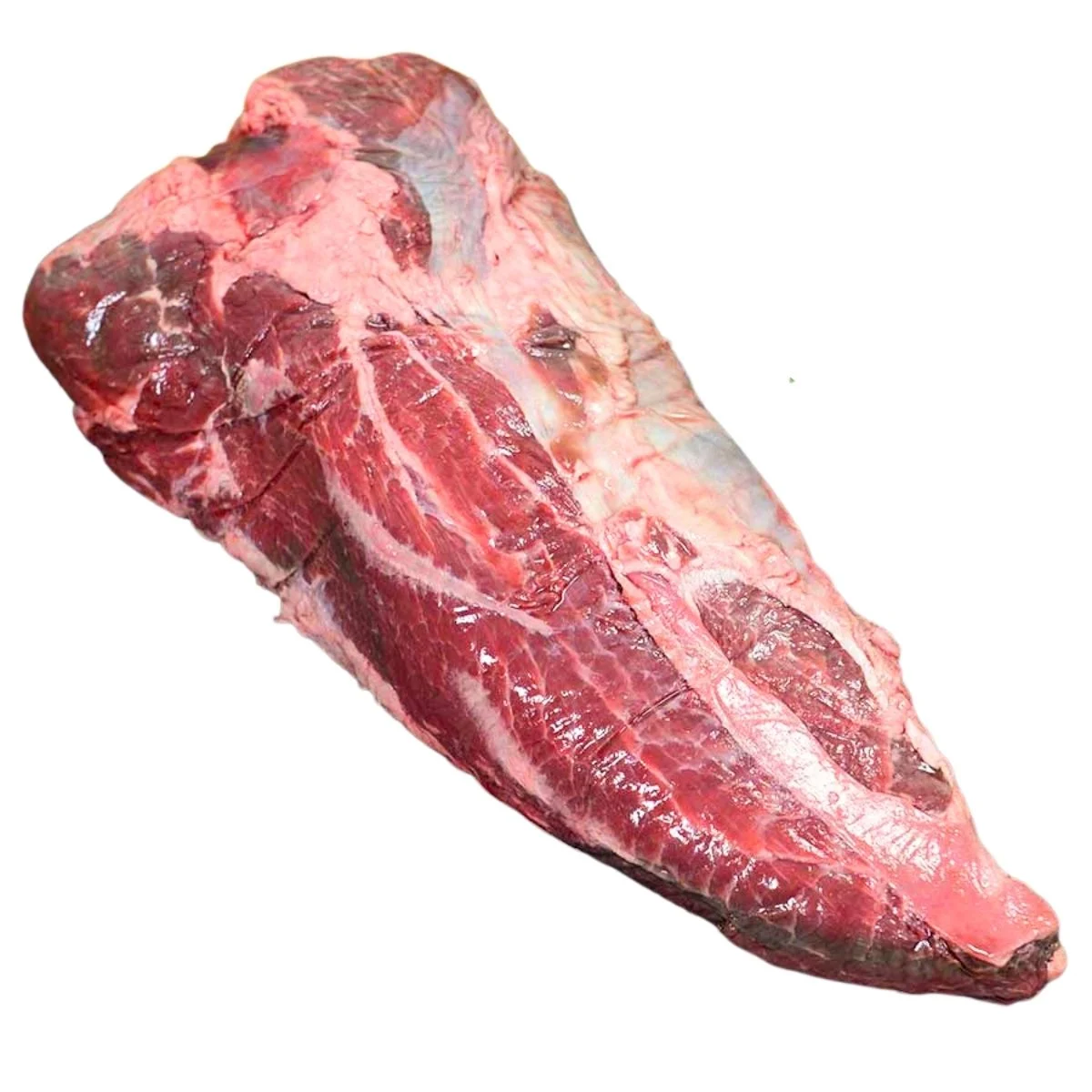
Beef chuck tender
Chuck tender is a shoulder muscle and should not be confused with tenderloin. Agree the required muscle presentation and trimming standard for the intended preparation.
Request a tailored offer ↗Discuss your specification by email ↗Grade, availability and destination eligibility confirmed per offer.
Take the detail with you.
Product research, nutrition references and a fillable purchasing brief to save and share with your team.
Download product data sheet 3 pages · Fill, save and return by email.Beef chuck tender needs a precise muscle and trim specification before it becomes a comparable bulk offer. It should not be confused with tenderloin or accepted simply because another supplier uses a similar commercial name. Describe the presentation your cutting room or kitchen requires, then agree the packing and receiving criteria for the proposed product.
Confirm the muscle before comparing offers
The Canadian Food Inspection Agency identifies chuck tender as the supraspinatus muscle in its wholesale beef nomenclature, item 116B. This provides a useful naming reference for a supplier discussion; it does not show that a particular SAI Agro lot follows that specification or is eligible for Canada. Ask for a labelled cut diagram, a representative product photograph and the proposed written specification so that both teams are discussing the same product.
Make the trimming instruction measurable
Identify whether your operation needs an intact muscle, a specified portion or another agreed presentation. Ask which surface membrane and connective tissue remain, especially at the thick end. The CFIA reference includes a purchaser option for additional connective-tissue removal; this illustrates why trim needs agreement rather than assumption. Avoid describing the product only as clean or well trimmed.
- Surface trim: specify the agreed fat limit, membrane treatment and permitted attached material.
- Physical presentation: state whether the muscle must remain intact and how cuts, scores or loose pieces are assessed.
- Weight band: provide the requested piece range, permitted tolerance and sampling method.
- Acceptance: define whether approval uses a sample, photographs, measurements or another documented procedure.
Use a sample to answer a production question
Tell the export team how your operation plans to portion or process the meat. If evaluating a sample, use the same trim and preparation method you expect for commercial deliveries. Record the incoming weight, trim removed and usable portions so the comparison answers your own production question. A sample result is evidence for that assessment, not a guaranteed yield for every later lot. Any acceptance limits must be agreed separately.
Packing for the way you receive
State whether you require individual units, grouped packs or another carton arrangement, and ask which options the supplier can offer. Confirm the freezing presentation, wrapping, net product weight per carton and outer dimensions. Request a label example showing lot identification and relevant production details. Ask how packs with different piece weights will be allocated and reconciled on the packing list. For palletised loads, obtain the proposed layout before confirming warehouse space and unloading arrangements.
Agree the cold-chain and document requirements
Request product-specific storage instructions, validated shelf life, minimum remaining life at arrival and the agreed transport conditions. Confirm the records that will accompany the shipment and the inspection procedure at receipt. Establish how quantities, lot codes, carton integrity and any discrepancies are checked and documented. Handling must follow the offered product instructions and your own food-safety procedures.
Before committing to shipment, identify the proposed establishment and verify eligibility for the destination. Ask which sanitary documents, traceability records, label requirements and buyer-specific tests apply. Where Halal certification is requested, evidence must cover the offered establishment and product programme. A catalogue listing is not evidence of certification or destination approval.
Send an actionable chuck-tender purchasing brief
Include the cut reference, whole-muscle or portion presentation, trimming requirements, piece-weight band, packing, quantity, shipment window and destination. Add your preferred trade terms and any sample-approval requirements. Send your purchasing brief or explore the frozen-protein catalogue. Availability, origin, packing and commercial conditions are confirmed in the written offer.
Reference: CFIA wholesale beef nomenclature, item 116B. Naming reference only; the offered specification must be confirmed independently.
Continue your sourcing brief
IN THE SAME
FAMILY.
Your next supply programme
MAKE THE
SPECIFICATION COUNT.
Tell us what you need, where it’s going and how you’ll use it. Our team will assess the product, packing and commercial basis for your offer.
Build a trade inquiry ↗