Supply portfolio / Frozen protein
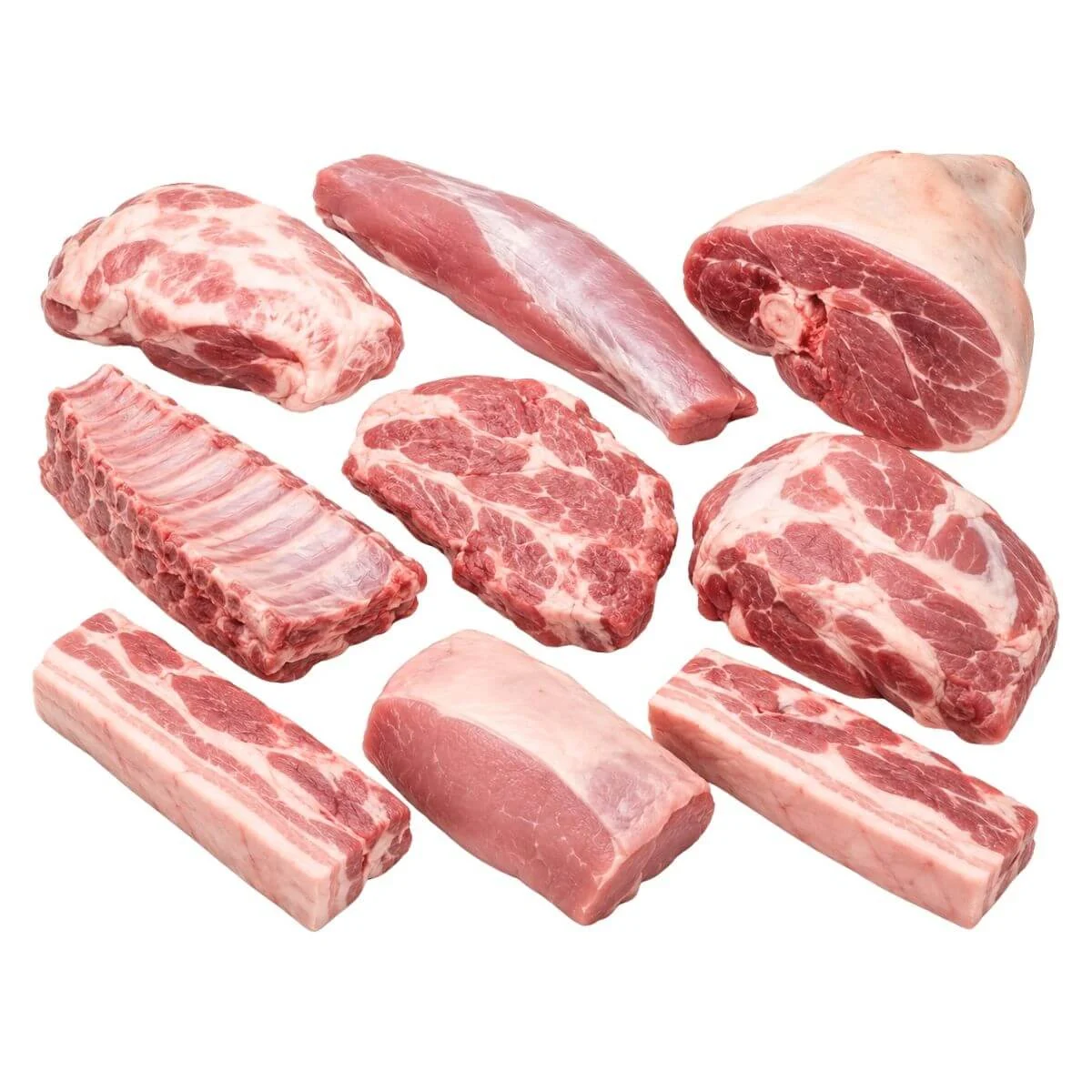
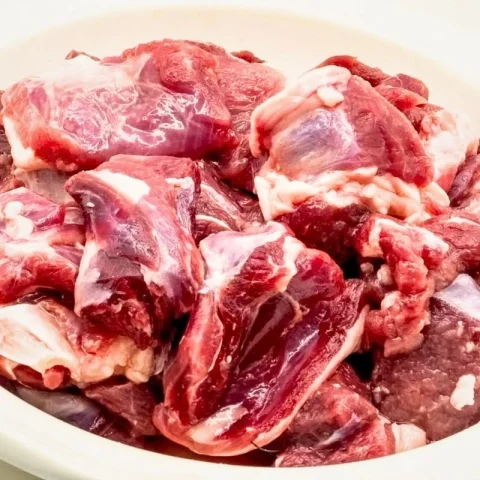
Pork special cuts
Special-cut programmes are built around the buyer’s cutting instruction. Provide a diagram, sample specification or portion requirement to define the exact presentation.
Request a tailored offer ↗Discuss your specification by email ↗Grade, availability and destination eligibility confirmed per offer.
Take the detail with you.
Product research, nutrition references and a fillable purchasing brief to save and share with your team.
Download product data sheet 3 pages · Fill, save and return by email.A custom pork-cut enquiry works best as a controlled cutting instruction. Name the anatomical cut, attach a marked drawing or reference photograph and state how the receiving team will accept it. “Special cuts” describes a buyer-defined requirement; it does not establish a fixed assortment, current availability or a destination approval.
Start with the cut, then define the finish
Specify the source section and whether you need a whole muscle, bone-in piece, boneless cut, strip, slice or portion. Record the agreed reference system and its edition where one is used. CFIA’s pork wholesale nomenclature separates named items and preparation options; its item 408 belly and 410 loin illustrate why a cut name needs a precise preparation description. These references help define the brief and are not a statement that an offered lot is Canadian-certified or eligible for Canada.
What your cutting instruction should contain
- Anatomical coverage: identify the cut boundaries, muscles or sections included, and any material to exclude.
- Bone, skin and rind: state the required presentation and how residual bone, cartilage or skin will be assessed.
- Fat and surface trim: define the measurement points, permitted variation and any membrane-removal requirement instead of writing only “well trimmed”.
- Portion control: give dimensions or piece-weight bands, the permitted tolerance and the proportion of pieces that must meet it. Keep thickness and weight requirements separate.
- Approval basis: identify the dated specification, drawing and approved reference sample. Agree in writing which takes precedence if the documents differ.
Make the carton work for your operation
Tell us whether the receiving line needs individually wrapped pieces, vacuum packs, layer separation or another pack for review. Specify inner-pack and carton net weights, piece counts where relevant, label language, lot coding and any pallet constraints. Ask the offer to confirm the feasible packing configuration. A reference photograph is useful for discussion but does not replace the final specification or prove that a particular format is currently available.
Compare usable yield on an agreed basis
If the cut will be portioned, cooked or further processed, describe the intended application and the trial procedure. Distinguish delivered net product weight from usable yield after your trimming, thawing or cooking process. Record the sample size, handling method and acceptance criteria before using a trial result to compare quotations. Do not treat an assumed yield as a guaranteed production outcome.
Receiving, storage and documentation
Before shipment, agree the documents and checks needed at dispatch and arrival: production source, lot identity, pack integrity, temperature records and conformity with the approved cut schedule. Confirm the storage conditions, shelf-life basis and handling instructions for the offered product. Maintain the specified frozen chain, plan unloading and freezer capacity, and agree how discrepancies will be documented and reviewed.
Destination eligibility must be checked for the actual pork product and production establishment. Ask for the applicable sanitary documentation and any importing-country requirements before making a shipment commitment. A catalogue entry or a custom-cut request alone does not establish market access.
Build your purchasing brief
Send your cutting instruction, quantity by cut, delivery frequency, destination port and preferred trade basis with its named place. Our pork shipment buyer guide helps align the allocation and document responsibilities. If you need a broader programme, compare the six-cut assortment or pork carcass purchasing details, then send your requirement for review. Availability, minimum quantities, lead times, final specifications and commercial terms are confirmed in the written offer.
Cut-definition reference: CFIA pork wholesale nomenclature, 400 series. Referenced for terminology; destination requirements and the offered product specification must be confirmed individually.
Continue your sourcing brief
IN THE SAME
FAMILY.
Your next supply programme
MAKE THE
SPECIFICATION COUNT.
Tell us what you need, where it’s going and how you’ll use it. Our team will assess the product, packing and commercial basis for your offer.
Build a trade inquiry ↗