
Frozen Beef Cuts from Brazil: Buyer Guide, Grades & Supplier Checklist
Buyer guide · SAI Agro Brazil
Define the cut before comparing prices
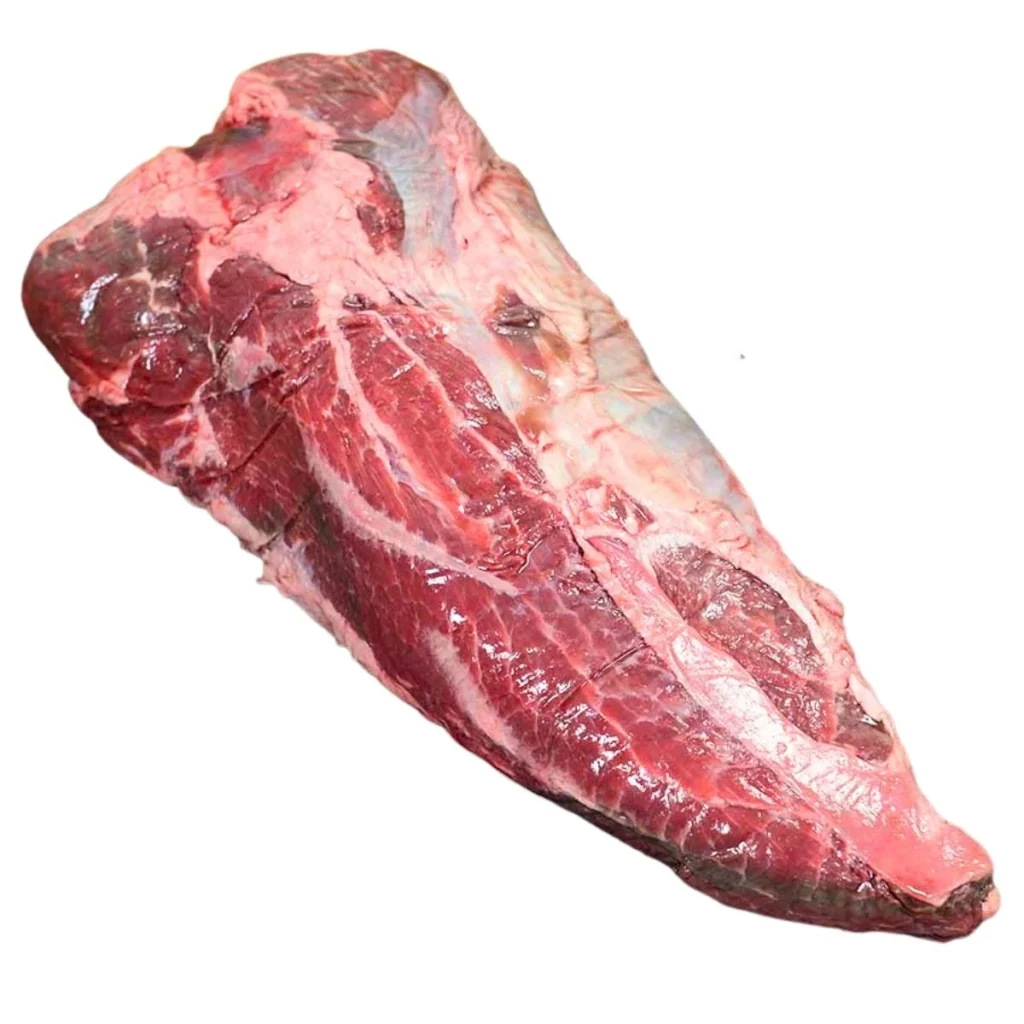
Specify the cut name and cutting standard, bone-in or boneless presentation, trimming, fat cover and portion requirements. Product names can differ between markets, so a specification sheet or reference image helps align the intended item.
Match the product to its application
Food-service portions, retail presentation and industrial processing can require different dimensions, weight ranges and packing. Identify your intended use, thawing or processing expectations and any customer specifications during quotation.
Review the production establishment and market
Ask which production establishment and destination approvals apply to the proposed supply. Confirm any required religious certification, veterinary documentation or label language for the exact product and market with the importer and relevant authorities.
Agree frozen handling and inspection
Establish the product temperature requirement, packaging, storage and transport programme. Discuss inspection scope, weight verification, sealing and monitoring requirements in the contract. A general company claim does not replace shipment-specific documentation.
Use a supplier review checklist
Confirm the legal seller, authorized representative, cut specification, establishment, eligibility, packing, quantities, trade terms, inspection and payment conditions. Retain approved specifications and document versions with the purchase order.
Build your shortlist around the cut you actually need
For a wholesale frozen beef enquiry, a general request for “beef cuts” makes it difficult to compare suppliers. Start with a named cut, a reference specification and the intended use. These examples show how to turn a shortlist into a purchasing brief:
- Full brisket: confirm whether you need the full brisket or the flat alone, the permitted fat cap, deckle treatment and piece weight range. Review our beef full brisket product details before requesting a programme for slow cooking, curing or smoking.
- Chuck tender: establish the anatomical reference, membrane and surface trim, whole-piece or portioned presentation and packing. Use the chuck tender supply page to frame the cut-specific discussion.
- A mixed-cut programme: provide a named cut list and the quantity or proportion of each item. State whether each cut will have its own carton identification and whether substitutions are permitted. A total tonnage alone does not define the assortment.
Describe packing in terms your receiving team can check
Specify the presentation inside the carton and the expected carton net weight. Confirm whether pieces are individually wrapped, vacuum-packed or supplied in another agreed format. If a weight range matters to your portioning line, include the range and the agreed tolerance. Your receiving team should be able to compare the carton label, contents and purchase specification without interpreting a vague product description.
Ask how lot identification, production and shelf-life information will appear on the proposed label. Provide the label language and customer information your importer requires. A retail-ready label and a processing carton serve different purposes; identify the intended channel during the enquiry.
Keep the cold-chain discussion inside the supply brief
Include the requested product condition at loading and receipt, shipment format, receiving facilities and any temperature-record requirements. Agree the monitoring and inspection scope with the relevant logistics and importing teams. Record how delays, arrival checks and discrepancies will be handled within the order documents, rather than leaving these points until a container is on the water.
The container shipping guide supports transport planning; the supply chain and quality framework explains the information to align before shipment.
Preparing a broader frozen protein programme?
If your buying programme also includes poultry or pork, make a separate specification for each species and presentation. For whole chicken griller, identify the bird weight bands, dressing, giblet inclusion and wrapping. For a six-cut pork assortment, name the cuts, their allocation and bone or skin requirements. One generic specification cannot define all three product groups.
Each linked product page includes a downloadable product sheet to help your team record its buying requirements. Submit the completed brief through our company contact form or discuss it with the export team. Source, establishment, destination eligibility, availability and commercial terms are confirmed for the specific offer.
Prepare your inquiry
Include your company details, product specification, quantity, packaging, destination country and port, preferred trade terms and shipment period. Requirements and supply conditions are confirmed for the individual offer. These guides support procurement preparation; current destination and contractual requirements should be checked with the relevant advisers and authorities.