
Supply portfolio / Frozen protein
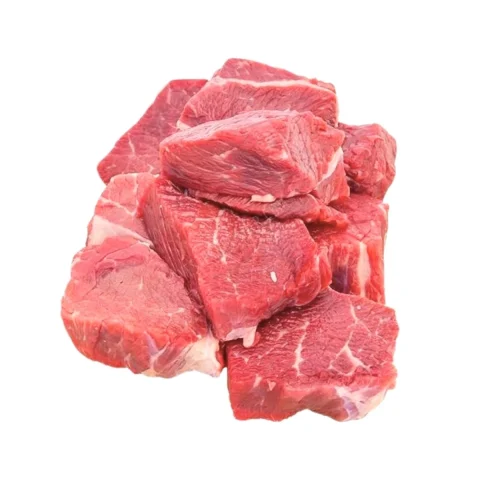
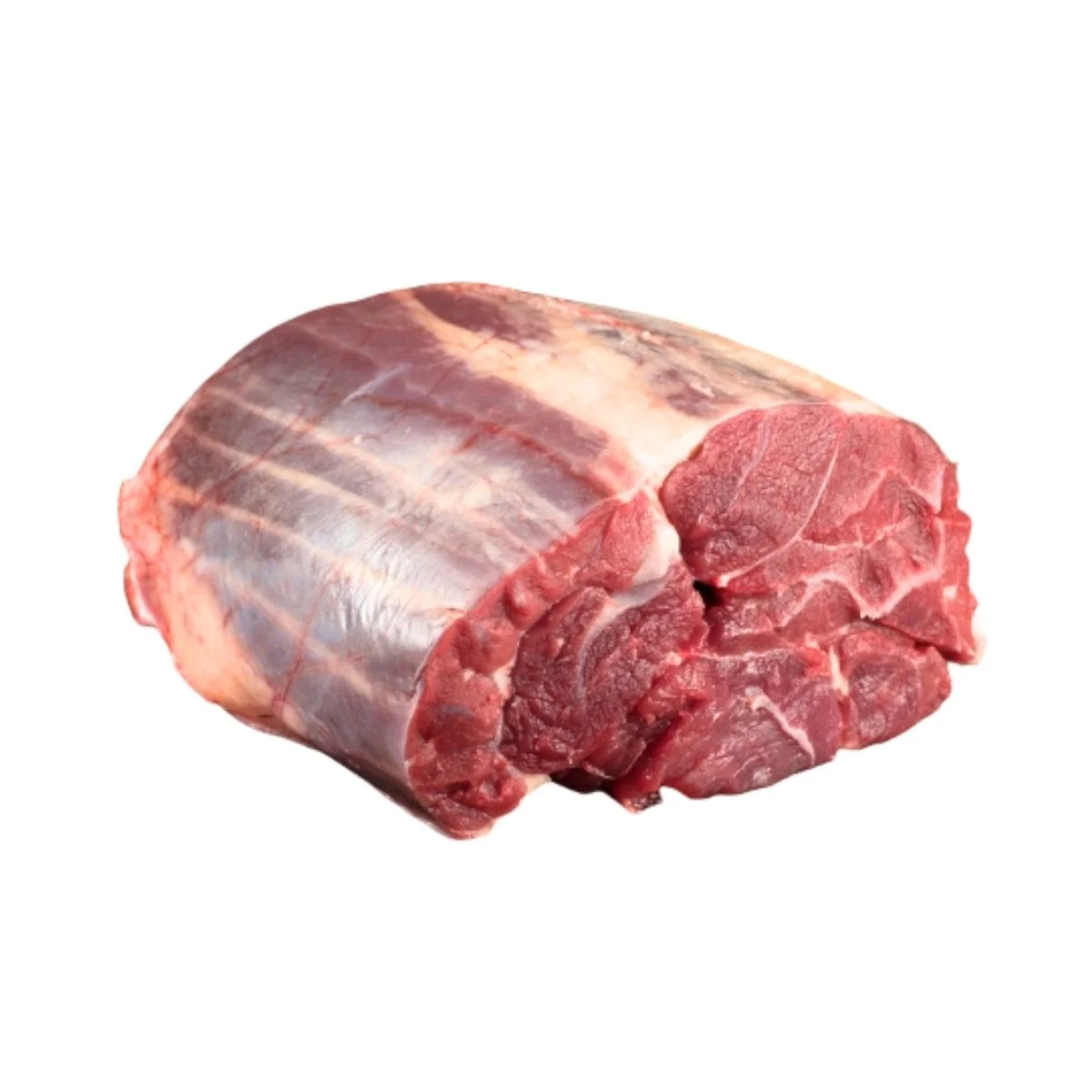
Boneless beef shin
Shin is a working-muscle cut with connective tissue suited to slow-cooked applications. Fore-shin and hind-shin requirements should be identified if relevant to the buyer.
Request a tailored offer ↗Discuss your specification by email ↗Grade, availability and destination eligibility confirmed per offer.
Take the detail with you.
Product research, nutrition references and a fillable purchasing brief to save and share with your team.
Download product data sheet 3 pages · Fill, save and return by email.Boneless beef shin needs a buying specification that identifies the cut, the retained connective tissue and the delivered presentation. For importers, distributors and food-service processors, those details make competing frozen offers easier to compare than the word “shin” alone.
Agree fore shin, hind shin and muscle coverage
State whether the requirement is fore shin, hind shin or an agreed combination. The Canadian Food Inspection Agency’s Beef – Meat cuts manual describes foreshank and hind shank separately and distinguishes hind shank from heel of round. Use its sections 4.6 and 5.3.4 as reference vocabulary, then attach the agreed supplier diagram or specification. This reference does not establish the offered lot’s origin, certification or destination approval.
Ask whether cartons contain separated whole muscles, mixed pieces or another specified presentation. Identify any excluded muscles and agree how substitutions will be handled. A photograph with a scale and a clearly labelled cut description is more useful than an unlabelled sample image.
Define trimming for your finished application
For braising, stews or further processing, describe the intended portion size and preparation method. Specify the treatment of external fat, silverskin, connective tissue and tendon separately; “well trimmed” leaves too much open to interpretation. Agree the bone-removal standard and an acceptance procedure for any detected bone or cartilage.
If your operation needs strips or diced portions, ask the commercial team to confirm whether that preparation can be offered and define dimensions and tolerances in writing. For whole pieces, agree weight bands and how out-of-band pieces are counted. Evaluate a representative sample in your own process before relying on a cooking yield or portion-cost assumption; no yield is guaranteed by the cut name.
Compare the pack, not just the carton headline
- Confirm the actual freezing and packing presentation offered: individual wrapping, vacuum bags or block configuration where available.
- Separate carton net product weight, packaging tare and gross shipping weight. Do not infer a fixed piece count from the carton weight.
- Record inner-pack count, liner material, carton identification and the lot or batch reference used on the packing list.
- Agree whether fore and hind shin are segregated or mixed, and how each carton is labelled.
Ask for current lot photographs showing both an opened carton and the inner presentation. Confirm pallet configuration and loading information against the offered carton dimensions before planning the shipment.
Set receiving and document checks before shipment
Agree the product-temperature limits, evidence to accompany transport and the receiving inspection procedure with your technical team. Follow the offered product’s validated storage and handling instructions, including the confirmed shelf life; this page does not assign a universal storage period. At receipt, check seal and wrapping integrity, carton condition, lot identity and the agreed temperature evidence before releasing the goods into your process.
Request the production establishment details, origin and traceability records, proposed label, packing list and sanitary documentation applicable to the actual product and destination. The importer should confirm current destination requirements before any shipment commitment. If a religious certification is required, identify the required scheme and request evidence covering the offered production programme.
Send a comparable boneless shin purchasing brief
Include the fore/hind basis, trimming specification, piece-weight range, packing, quantity, destination country and port, shipment window and preferred trade term with its named place. Add your sample approval and lot-acceptance criteria. Availability, processing options, eligibility and commercial terms remain subject to the written offer.
Use our frozen beef buyer guide for the wider sourcing checklist, or compare chuck and neck and brisket against your application. Build a boneless beef shin purchasing brief for the export team to assess.
Continue your sourcing brief
IN THE SAME
FAMILY.
Your next supply programme
MAKE THE
SPECIFICATION COUNT.
Tell us what you need, where it’s going and how you’ll use it. Our team will assess the product, packing and commercial basis for your offer.
Build a trade inquiry ↗